AI-Native Product Engineering Services
Building on KMS Technology, Addepto’s parent company, proven product engineering expertise and AI-enhanced development practices, now amplified with deep AI and data expertise to create products that are intelligent by design – from data infrastructure to intelligent features.
AI-Native Product Engineering: Why Choose Us
AI & Data Infrastructure from Proven Specialists
Addepto’s deep expertise in AI and data engineering—proven across aviation, automotive, manufacturing, and retail—now is strengthens KMS’s end-to-end product engineering capabilities through our merger. Together, we design and build intelligent products faster by combining modern software engineering with AI-ready architectures, automated pipelines, and production-grade delivery practices. This isn’t about adding AI features onto existing products.
It’s about engineering products where intelligence, scalability, and quality are built in from day one. From cloud-native architectures to integrated data pipelines and ML-powered workflows, we ensure your product can evolve continuously—shipping faster today while staying ready for what’s next.
Deep AI Expertise Meets Product Engineering Scale
Our merger delivers 1+1=3 value. Addepto’s 50+ AI and ML specialists—covering Computer Vision, NLP, GenAI, and predictive analytics—are now fully embedded in KMS’s product engineering lifecycle. AI and product development happen together, not in handoffs.
The result is smarter products, delivered faster. You gain AI-accelerated engineering velocity through automation, intelligent tooling, and optimized workflows—while building products with durable, built-in intelligence that sets you apart.
One integrated team delivers GenAI-enhanced coding, advanced Computer Vision features, automated testing, MLOps, and rapid CI/CD—all designed, built, and shipped as a single, cohesive system.
Production-Grade AI with Proven Track Record
Addepto has built AI solutions that work in real production—not just demos. Our track record spans digital twins for airports, $10M-saving predictive maintenance for manufacturers, computer vision for retail compliance, and GenAI document processing.
The merger with KMS Technology brings these AI capabilities into end-to-end product engineering lifecycles, with quality assurance, DevSecOps, and operational excellence embedded throughout. Whether it’s document automation, conversational interfaces, visual inspection, or recommendation engines, we deliver intelligent features that ship reliably and scale sustainably.
Unified Teams, Seamless Integration
The traditional challenge: AI specialists and product teams work in silos, creating integration nightmares and delayed deployments.
Our merger solves this. Addepto’s data engineers and AI experts collaborate directly with software engineers, QA specialists, and DevOps teams from day one.
This unified approach means ML models deploy through the same CI/CD pipelines as application code, data architectures align with product requirements, and AI features are designed for production scalability from the start.
The result: AI-native products delivered with enterprise-grade quality and partnership commitment.
AI-Ready, Cloud-Native, Future-Proof Architecture Design
Whether modernizing apps or legacy systems or building greenfield products, Addepto designs cloud-native architectures optimized for AI capabilities from the start.
Our architects work across AWS, Azure, and GCP, leveraging platforms like Databricks, Snowflake, and cloud-native services to create flexible, cost-effective solutions.
Through the merger with KMS, AI-ready architectures are delivered within a proven product engineering foundation. Modern DevOps practices, automated deployment pipelines, and enterprise-grade security are built in from day one, ensuring your technology stack supports current features while remaining ready for future AI capabilities, with data governance and observability embedded at the core.
MLOps for Sustainable AI Operations
Deploying AI models is just the beginning—Addepto ensures they remain accurate, performant, and compliant over time.
Our MLOps practice covers the full ML lifecycle: model versioning, automated retraining pipelines, performance monitoring, and governance frameworks. We implement tools like MLflow, Kubeflow, and custom monitoring solutions to detect data drift, track model performance, and maintain AI system reliability.
Through the merger, these MLOps capabilities integrate with broader DevOps practices, ensuring your AI features deliver consistent business value and operational stability as your product scales.
Clients that trusted us



























What our clients say
Addepto is a rapidly developing company, that observes the latest technological trends and takes full advantage of it. They offer an individual approach to each client and are open to new challenges.
Bobby Newman VP Engineering – J2 Global
The collaborative culture during the project was unique and significantly facilitated seamless implementation. Addepto has completely satisfied our requirements.
Dawid Majcherek – Nexteer Advanced Technology Engineer – Nexteer Automotive
The communication process was smooth, which assured us that Addepto was devoted to preparing a high-quality product.
Director of Machine Learning – Wealth Management Company – Wealth Management Company
They have an extremely deep knowledge of machine learning and BI. The modules they created provide accurate and detailed reporting that allows an in-depth analysis of all KPI’s and much more.
Jacek Szlendak CEO – Perfect Gym Solutions S.A.

Our Product Engineering Process
By unifying AI, data, engineering, and QA into one delivery team, we eliminate silos, prevent integration friction, and move faster from idea to production with predictable outcomes.


Phase 1: Discovery & AI Readiness Assessment
We start with your business objectives — not code. Our team evaluates your data landscape, data quality, system architecture, and integration points to identify where AI can deliver the highest business value.
You receive a clear AI roadmap with prioritized use cases, technical feasibility assessment, initial architecture recommendations, and a transparent timeline with cost estimates. This allows you to make informed decisions before committing to full-scale development.
Phase 2: Building AI-Ready Foundations
Before developing AI features, we establish the infrastructure that enables reliable, scalable intelligence. We design cloud-native, AI-ready data architectures, implement production-grade data pipelines, and define data quality, governance, and security frameworks.
We also prepare ML deployment infrastructure across AWS, Azure, or GCP, ensuring your platform can scale smoothly and support future capabilities without costly rewrites — reducing long-term operational risk and technical debt.
Phase 3: AI Development & Seamless Integration
Our cross-functional teams work as one — data engineers, AI specialists, and software engineers collaborate from day one, eliminating handoffs and silos. We develop models using your real data, build intelligent features (computer vision, NLP, generative AI, predictive analytics), and integrate them directly into your product.
Automated testing and quality assurance are embedded throughout the process, so you receive production-ready AI capabilities that work reliably with your existing systems.
Phase 4: Production Deployment & MLOps Setup
Deployment is predictable and controlled because it is designed into the process from the start. We release AI features using CI/CD pipelines, configure monitoring and alerting, enable model performance tracking and drift detection, and implement automated retraining workflows.
Your solution goes live with real-time dashboards, operational visibility, and clear incident response processes — ensuring stability, compliance, and confidence at scale.
Why work with us
AI and Data Experts on board
Databricks certified Experts
We are part of a group of over 1200 digital experts
Different industries we work with


Recognitions & awards


Proven AI-Native Solutions Across Industries

Intelligent Quality & Production Systems
The automotive industry demands zero-defect manufacturing and optimized production flows. We build AI-native solutions that ensure quality, prevent costly disruptions, and maximize efficiency across complex manufacturing operations.
- Computer Vision Quality Inspection – Automated visual inspection systems detect surface defects, dimensional inconsistencies, and assembly errors at production speed, catching issues that human inspectors might miss and preventing defective parts from reaching customers.
- Predictive Maintenance for Production Lines – Machine learning models analyze vibration patterns, temperature fluctuations, and performance metrics from assembly line equipment to forecast failures before they occur, enabling scheduled maintenance that prevents unexpected production stoppages.
- AI-Powered Supply Chain Optimization – Intelligent systems monitor supplier performance, predict part shortages, and optimize logistics in real-time, automatically adjusting production schedules and preventing delays caused by material availability issues.
- Automated Compliance Documentation – AI systems generate and maintain quality documentation, inspection reports, and regulatory compliance records automatically, reducing administrative burden while ensuring audit readiness.

AI-native products for Aviation
Aviation operations require precision, reliability, and seamless coordination across complex systems. We deliver AI-native products that enhance operational efficiency, improve safety, and elevate the passenger experience.
- Digital Twin Airport Operations – Real-time virtual models of airport infrastructure enable predictive monitoring of critical systems, from baggage handling to gate management, helping operations teams anticipate and resolve issues before they impact passengers.
- LLM-Based Operational Assistance – Intelligent chatbots provide airport staff with instant access to procedures, troubleshooting guides, gate information, and real-time operational data, enabling faster decision-making during time-critical situations.
- Gen AI Document Processing – Automated systems handle flight logs, maintenance records, safety reports, and regulatory compliance documents, extracting key information and ensuring proper documentation without manual data entry.
- Computer Vision Baggage Tracking – Visual tracking systems monitor baggage movement through every stage of handling, providing real-time location data and proactive alerts when routing issues occur, improving both efficiency and passenger satisfaction.
- Predictive Flight Operations – Machine learning models optimize flight scheduling, crew allocation, and aircraft routing based on weather patterns, demand forecasts, and maintenance requirements, maximizing fleet utilization while minimizing delays.
- Predictive Aircraft Maintenance – Sensor data analysis identifies wear patterns and potential failures in aircraft components, enabling condition-based maintenance that improves safety while reducing unnecessary inspections.
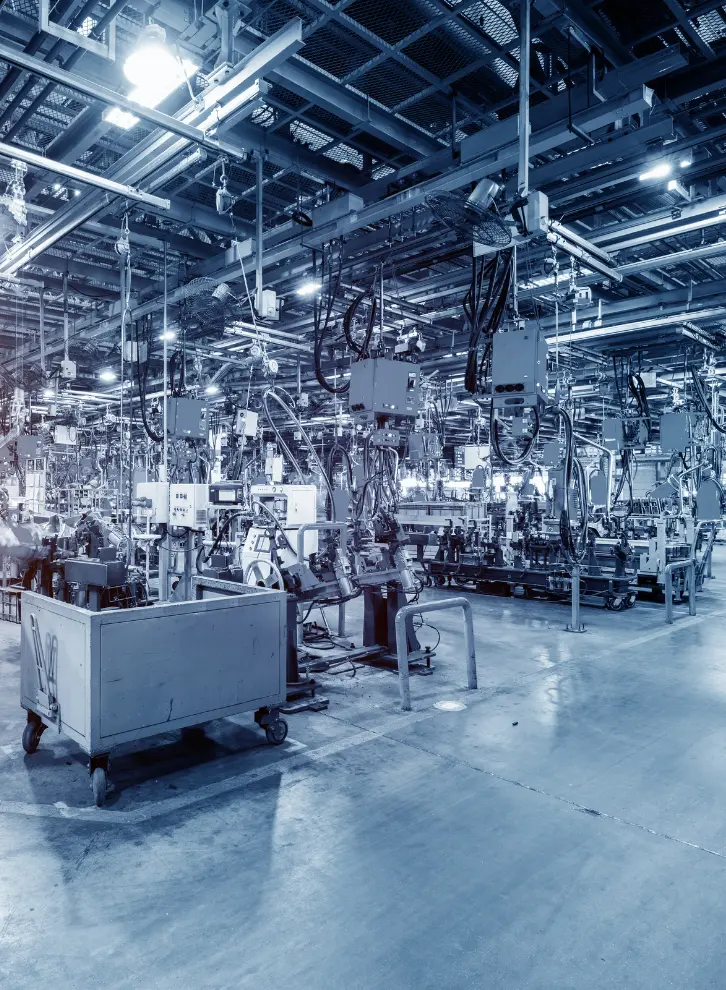
AI-native systems for Manufacturing
Manufacturers face complex operations, expensive downtime, and the challenge of balancing inventory with demand. We build AI-native systems that optimize production, prevent disruptions, and enable data-driven decision-making across the entire operation.
- Predictive Maintenance Systems – Using sensor data and maintenance history, machine learning models identify wear and failure patterns early, enabling proactive repairs that keep production lines running and maintenance costs under control.
- AI-Powered Demand Prediction – Intelligent forecasting systems analyze historical sales, market trends, seasonal patterns, and economic indicators to optimize inventory levels, preventing both costly stockouts and excess inventory carrying costs.
- Automated Operational Reporting – Real-time dashboards and automated reports deliver production metrics, quality data, and performance insights to operations leaders without manual data gathering, supporting faster and more informed decision-making.
- Product Traceability Platforms – End-to-end tracking systems monitor components and products through every manufacturing stage, enabling rapid identification of quality issues and targeted responses that minimize recall scope and protect brand reputation.
- Supply Chain Visibility Solutions – Integrated data platforms link procurement, inventory, and production systems to give planners a complete view of the supply chain, improving coordination and enabling proactive response to potential disruptions.
- Quality Control Automation – Real-time monitoring of production data and automated inspection systems detect anomalies early, helping reduce defects, ensure product consistency, and minimize rework costs.
- Production Optimization Analytics – Centralized data platforms aggregate information from every manufacturing stage, helping teams identify inefficiencies, eliminate bottlenecks, and increase throughput without major capital investment.

AI-native systems in Retail
Retail operations demand both personalized customer experiences and operational efficiency at scale. We deliver AI-native systems that optimize merchandising, enhance personalization, and streamline operations across physical and digital channels.
- Computer Vision Store Compliance – Visual monitoring systems automatically detect out-of-stock conditions, misplaced products, planogram violations, and merchandising issues in real-time, enabling rapid corrective action that maximizes sales and ensures brand standards.
- AI Image Quality Detection – Automated quality control systems evaluate product photography across thousands of SKUs, flagging images with poor lighting, incorrect backgrounds, or quality issues before they reach customers, protecting brand consistency while reducing manual review time.
- Customer Data Platforms – Unified data systems aggregate online and in-store behavior, purchase history, browsing patterns, and preferences to create comprehensive customer profiles that enable hyper-personalized recommendations and marketing.
- Intelligent Recommendation Engines – Personalization algorithms analyze individual customer preferences and broader shopping patterns to suggest relevant products, increasing average order value and customer satisfaction through tailored shopping experiences.
- Dynamic Pricing Optimization – AI-powered pricing systems adjust prices in real-time based on demand signals, competitor pricing, inventory levels, and individual customer price sensitivity, optimizing revenue while maintaining competitive positioning.

AI-native solutions for Engineering
Technology companies need to accelerate development while differentiating their products through intelligent capabilities. We build AI-native solutions that boost engineering productivity and embed intelligence directly into SaaS and engineering platforms.
- Intelligent Code Assistants – AI-powered development tools analyze codebases to suggest optimizations, identify security vulnerabilities, generate test cases, and automate repetitive coding tasks, significantly improving developer productivity and code quality.
- AI Recommendation Engines – Personalization systems analyze user behavior and preferences to deliver intelligent feature suggestions, content curation, and contextual guidance within SaaS applications, increasing engagement and reducing user churn.
- Natural Language Interfaces – Conversational AI enables users to interact with complex engineering software through plain English commands instead of navigating complicated menus and settings, dramatically reducing training time and user errors.
- Automated Documentation Systems – AI-powered tools generate and maintain technical documentation, API references, and user guides directly from code, comments, and commit messages, keeping documentation current without dedicated technical writer resources.
- Predictive Customer Analytics – Machine learning models analyze usage patterns, feature adoption, and support interactions to identify at-risk customers before they churn, enabling proactive engagement and retention efforts.
- Intelligent Search & Discovery – Semantic search systems help users find relevant information, features, and resources within large SaaS platforms using natural language queries, improving user experience and reducing support burden.
- AI-Powered Testing Automation – Intelligent testing frameworks automatically generate test cases, identify edge cases, and detect regressions, enabling faster release cycles without sacrificing quality.
Intelligent Quality & Production Systems
The automotive industry demands zero-defect manufacturing and optimized production flows. We build AI-native solutions that ensure quality, prevent costly disruptions, and maximize efficiency across complex manufacturing operations.
- Computer Vision Quality Inspection – Automated visual inspection systems detect surface defects, dimensional inconsistencies, and assembly errors at production speed, catching issues that human inspectors might miss and preventing defective parts from reaching customers.
- Predictive Maintenance for Production Lines – Machine learning models analyze vibration patterns, temperature fluctuations, and performance metrics from assembly line equipment to forecast failures before they occur, enabling scheduled maintenance that prevents unexpected production stoppages.
- AI-Powered Supply Chain Optimization – Intelligent systems monitor supplier performance, predict part shortages, and optimize logistics in real-time, automatically adjusting production schedules and preventing delays caused by material availability issues.
- Automated Compliance Documentation – AI systems generate and maintain quality documentation, inspection reports, and regulatory compliance records automatically, reducing administrative burden while ensuring audit readiness.
AI-native products for Aviation
Aviation operations require precision, reliability, and seamless coordination across complex systems. We deliver AI-native products that enhance operational efficiency, improve safety, and elevate the passenger experience.
- Digital Twin Airport Operations – Real-time virtual models of airport infrastructure enable predictive monitoring of critical systems, from baggage handling to gate management, helping operations teams anticipate and resolve issues before they impact passengers.
- LLM-Based Operational Assistance – Intelligent chatbots provide airport staff with instant access to procedures, troubleshooting guides, gate information, and real-time operational data, enabling faster decision-making during time-critical situations.
- Gen AI Document Processing – Automated systems handle flight logs, maintenance records, safety reports, and regulatory compliance documents, extracting key information and ensuring proper documentation without manual data entry.
- Computer Vision Baggage Tracking – Visual tracking systems monitor baggage movement through every stage of handling, providing real-time location data and proactive alerts when routing issues occur, improving both efficiency and passenger satisfaction.
- Predictive Flight Operations – Machine learning models optimize flight scheduling, crew allocation, and aircraft routing based on weather patterns, demand forecasts, and maintenance requirements, maximizing fleet utilization while minimizing delays.
- Predictive Aircraft Maintenance – Sensor data analysis identifies wear patterns and potential failures in aircraft components, enabling condition-based maintenance that improves safety while reducing unnecessary inspections.
AI-native systems for Manufacturing
Manufacturers face complex operations, expensive downtime, and the challenge of balancing inventory with demand. We build AI-native systems that optimize production, prevent disruptions, and enable data-driven decision-making across the entire operation.
- Predictive Maintenance Systems – Using sensor data and maintenance history, machine learning models identify wear and failure patterns early, enabling proactive repairs that keep production lines running and maintenance costs under control.
- AI-Powered Demand Prediction – Intelligent forecasting systems analyze historical sales, market trends, seasonal patterns, and economic indicators to optimize inventory levels, preventing both costly stockouts and excess inventory carrying costs.
- Automated Operational Reporting – Real-time dashboards and automated reports deliver production metrics, quality data, and performance insights to operations leaders without manual data gathering, supporting faster and more informed decision-making.
- Product Traceability Platforms – End-to-end tracking systems monitor components and products through every manufacturing stage, enabling rapid identification of quality issues and targeted responses that minimize recall scope and protect brand reputation.
- Supply Chain Visibility Solutions – Integrated data platforms link procurement, inventory, and production systems to give planners a complete view of the supply chain, improving coordination and enabling proactive response to potential disruptions.
- Quality Control Automation – Real-time monitoring of production data and automated inspection systems detect anomalies early, helping reduce defects, ensure product consistency, and minimize rework costs.
- Production Optimization Analytics – Centralized data platforms aggregate information from every manufacturing stage, helping teams identify inefficiencies, eliminate bottlenecks, and increase throughput without major capital investment.
AI-native systems in Retail
Retail operations demand both personalized customer experiences and operational efficiency at scale. We deliver AI-native systems that optimize merchandising, enhance personalization, and streamline operations across physical and digital channels.
- Computer Vision Store Compliance – Visual monitoring systems automatically detect out-of-stock conditions, misplaced products, planogram violations, and merchandising issues in real-time, enabling rapid corrective action that maximizes sales and ensures brand standards.
- AI Image Quality Detection – Automated quality control systems evaluate product photography across thousands of SKUs, flagging images with poor lighting, incorrect backgrounds, or quality issues before they reach customers, protecting brand consistency while reducing manual review time.
- Customer Data Platforms – Unified data systems aggregate online and in-store behavior, purchase history, browsing patterns, and preferences to create comprehensive customer profiles that enable hyper-personalized recommendations and marketing.
- Intelligent Recommendation Engines – Personalization algorithms analyze individual customer preferences and broader shopping patterns to suggest relevant products, increasing average order value and customer satisfaction through tailored shopping experiences.
- Dynamic Pricing Optimization – AI-powered pricing systems adjust prices in real-time based on demand signals, competitor pricing, inventory levels, and individual customer price sensitivity, optimizing revenue while maintaining competitive positioning.
AI-native solutions for Engineering
Technology companies need to accelerate development while differentiating their products through intelligent capabilities. We build AI-native solutions that boost engineering productivity and embed intelligence directly into SaaS and engineering platforms.
- Intelligent Code Assistants – AI-powered development tools analyze codebases to suggest optimizations, identify security vulnerabilities, generate test cases, and automate repetitive coding tasks, significantly improving developer productivity and code quality.
- AI Recommendation Engines – Personalization systems analyze user behavior and preferences to deliver intelligent feature suggestions, content curation, and contextual guidance within SaaS applications, increasing engagement and reducing user churn.
- Natural Language Interfaces – Conversational AI enables users to interact with complex engineering software through plain English commands instead of navigating complicated menus and settings, dramatically reducing training time and user errors.
- Automated Documentation Systems – AI-powered tools generate and maintain technical documentation, API references, and user guides directly from code, comments, and commit messages, keeping documentation current without dedicated technical writer resources.
- Predictive Customer Analytics – Machine learning models analyze usage patterns, feature adoption, and support interactions to identify at-risk customers before they churn, enabling proactive engagement and retention efforts.
- Intelligent Search & Discovery – Semantic search systems help users find relevant information, features, and resources within large SaaS platforms using natural language queries, improving user experience and reducing support burden.
- AI-Powered Testing Automation – Intelligent testing frameworks automatically generate test cases, identify edge cases, and detect regressions, enabling faster release cycles without sacrificing quality.
Measurable Results from AI-Native Engineering

Accelerated Time-to-Market
Our AI-enhanced development practices deliver proven productivity gains of 15.5% on average, with some clients exceeding 25% improvement. Combined with disciplined engineering processes, automated testing, and mature CI/CD pipelines, we help you ship faster without compromising quality.
Products reach the market sooner, enabling faster validation, stronger competitive positioning, and quicker return on development investment.

Intelligent Competitive Advantage
AI-native capabilities create differentiation that is difficult for competitors to replicate. From personalized user experiences and predictive features to automation and intelligent insights, products with embedded intelligence achieve stronger market positioning, higher customer satisfaction, and improved retention.
Our domain expertise ensures that AI delivers measurable business value — not just technical novelty.
Reduced Technical Debt
Quality assurance and automation embedded early prevent the accumulation of technical debt. Through automated testing, code reviews, documentation, and monitoring, we ensure your codebase remains maintainable, secure, and performant as it evolves.
The result: lower maintenance costs, faster feature delivery, and sustained development velocity.
What our clients say
They weren't just another tech vendor; they got to the heart of what we needed. From day one, they wanted to figure out our main issues, not just throw tech at us for the sake of it. They really dug into our tech setup and how we work, then came up with simple, smart solutions that make our lives easier without adding unnecessary complexity.
Michelle D. – Sr. Director of Data and Machine Learning Sr. Director of Data and Machine Learning
I am impressed with their openness to new solutions and dedication to making the tool effective and easy to maintain.
Narayana Pappu CEO – Zendata
The Addepto team utilized Agile methodology to execute tasks efficiently, provided clear documentation, and adjusted to changes as needed. Their extensive technical knowledge distinguished them from other providers.
Michael Farber CEO – The ROI Shop
AI-Native Product Engineering: FAQ
What makes a product truly AI-native — not just AI-enabled?
An AI-native product is designed for intelligence from the ground up. Data infrastructure, system architecture, and delivery pipelines are built with AI in mind from day one, enabling intelligent capabilities to scale and evolve naturally.
By contrast, traditional products often add AI features later as bolt-ons. This approach typically leads to fragile integrations, performance bottlenecks, higher maintenance costs, and limited long-term flexibility. AI-native products avoid these pitfalls because intelligence is part of the foundation – not an afterthought.
What if our data is messy and fragmented?
This is the norm, not the exception. Most organizations operate with data spread across multiple systems, formats, and levels of quality. Perfect data is not a prerequisite for AI-native engineering.
During discovery, we assess your existing data landscape and design pipelines that clean, structure, and unify data as part of the solution. We’ve delivered AI systems for manufacturers with decades of legacy data and retailers operating across 15+ disconnected platforms. If data exists, it can be made usable.
How do we know if we’re ready for AI-native product engineering?
You’re ready if you have meaningful business challenges that require intelligence — such as automation, prediction, personalization, or advanced data processing — and executive alignment for a focused 3–6 month initiative.
You do not need a modern data stack or in-house AI expertise to begin. That’s what we provide. If readiness is unclear, our 2-week AI Readiness Assessment delivers an objective evaluation of feasibility, value, and a practical path forward.
How do you measure ROI on AI investments?
ROI is defined before development begins and tied directly to business outcomes. During discovery, we establish clear success metrics aligned with your strategic goals.
Typical ROI indicators include:
- Faster development cycles and improved engineering productivity
- Reduced operational costs through automation
- Higher customer engagement and retention from intelligent features
- Shorter time-to-market
- Lower long-term technical debt
Our clients typically achieve 15–25% productivity gains alongside measurable operational savings. We establish baseline metrics at project start and track performance throughout delivery — ensuring AI investment is evaluated by real business impact, not just technical output.