Quality Engineering & Test Automation for the AI Era
AI generates code faster than ever – but speed without verification creates risk, not value. Through our KMS merger, Addepto now combines deep AI expertise with battle-tested quality engineering to ensure intelligent products ship reliably, scale sustainably, and maintain trust in production
Quality Engineering & Test Automation : Why Choose Us
The Verification Bottleneck: When Generation Outpaces Validation
AI coding assistants have achieved near-universal adoption – 97% of developers use them daily – yet only 39% of enterprises report measurable business impact.
The gap exists because code generation dramatically outpaces code verification. AI can write thousands of lines in minutes, but those lines still need human review, automated testing, security scanning, and production validation. Without redesigning quality processes for this new reality, teams create massive backlogs of unverified code that never safely reaches production.
Through our merger with KMS, we address this bottleneck directly: Addepto’s AI expertise identifies what to test and why, while KMS’s quality engineering builds automated verification systems that operate at the speed of AI generation.
The result: intelligent products that ship fast AND reliably.
Quality Layers That Scale With AI Velocity
AI-generated code introduces unique risks: hallucinated APIs that don’t exist, security patterns that look correct but create vulnerabilities, architectural choices that work in isolation but break system coherence, and edge cases that pass syntax checks but fail business logic.
Traditional QA catches some of these, but not fast enough or comprehensively enough when AI generates code continuously.
Through the merger with KMS, we deliver hybrid verification built for AI-driven development—combining automated first-pass validation, architectural and scope checks, and AI-assisted test generation to ensure quality scales as fast as code is produced, without slowing delivery or compromising reliability.
This prevents the “code quality entropy” problem where productivity plateaus as trust in AI-generated changes erodes.
Unified Expertise: AI Knowledge Meets Quality Engineering
Most quality engineering teams don’t understand AI-generated code patterns – they apply traditional testing methods to fundamentally new challenges. Most AI teams don’t understand production quality requirements – they optimize for model accuracy, not system reliability.
The merger with KMS solved both problems through knowledge sharing. Addepto’s AI specialists learned KMS’s quality frameworks, test automation practices, and production engineering rigor. KMS’s QA engineers learned how AI models behave, what failure modes to test for, and how to design verification systems that work at AI speed.
What emerged is quality engineering specifically architected for AI-native products: test strategies that account for model drift and data changes, automation frameworks that verify both code logic and AI behavior, and quality gates that maintain trust as development velocity increases exponentially.
Production-Grade Quality Across Industries
Our quality engineering prevents failures before they impact users. For a manufacturing client, automated testing caught AI-generated predictive maintenance code that worked perfectly with training data but failed with real sensor noise patterns – preventing a system that would have triggered false alarms and eroded trust.
For an aviation operations platform, our verification systems identified Gen AI document processing that correctly extracted 95% of data but systematically missed edge cases in safety-critical fields – catching errors that could have violated regulatory compliance.
For a retail client, quality layers detected Computer Vision code that performed well in controlled lighting but degraded unpredictably in real store conditions – preventing a compliance system that would have failed exactly when needed most.
These aren’t hypothetical risks, they’re real problems we catch daily because our quality engineering understands both AI behavior and production requirements.
Automated Verification at AI Speed
The AI era inverts traditional economics: code generation is cheap, but validation is expensive. Manual review becomes an impossible bottleneck when developers generate 10x more code with AI assistance. The solution isn’t reviewing faster – it’s automating verification comprehensively.
Through the merger with KMS, we implement quality systems designed for AI velocity: automated code review tools checking AI-specific patterns, scope verification confirming PRs solve stated problems, security scanning detecting vulnerable AI-generated patterns, performance testing ensuring AI features scale under load, and AI-assisted QA that generates test cases matching code generation speed.
We embed these verification layers into CI/CD pipelines so quality checks happen continuously, not as final gates.
Clients that trusted us



























What our clients say
Communication with the Addepto team was easy and fast. Continuous monitoring and measurement of our workflow helped to identify areas for improvement. Their approach from the start allowed us to improve the product taking into account all our requirements. The obtained result fully satisfied our company.
CPO of KeyedIn Solutions
They didn't just "do requirements", they investigated our needs and advised on the best processes to achieve our objectives. They were mindful of costs and gave suggestions that would be great long term solutions. But most of all, they felt like a part of our team!
CEO of SimpleCater
I am impressed with their openness to new solutions and dedication to making the tool effective and easy to maintain.
Narayana Pappu CEO – Zendata

Our Quality Engineering Process
We don’t add quality at the end. We build it in from the start, testing continuously so problems are caught early.


Quality & AI Risk Review
We identify testing gaps, risks from AI-generated code, slow verification points, and quality needs for intelligent features.
You get: a clear quality roadmap, AI-ready testing priorities, quality metrics, and a realistic delivery plan.
Test Automation & AI Checks
This includes automated tests for web, mobile, APIs, and AI-specific checks for unsafe patterns, hallucinations, and architecture issues.
All checks are integrated into CI/CD, so every change is verified automatically.
Continuous Testing with AI Support
AI helps generate tests, validate PRs, and catch performance or security issues, while humans focus on logic and design.
Testing runs in parallel with development – so teams ship faster without lowering quality.
Why work with us
AI and Data Experts on board
Databricks certified Experts
We are part of a group of over 1200 digital experts
Different industries we work with


Recognitions & awards


Quality Engineering for High-Risk Industries

Zero-Defect Quality Systems for Automotive
Automotive manufacturing depends on uninterrupted operations and zero tolerance for defects—especially when AI is involved in inspection and decision-making.
- Automated testing validates AI-based visual inspection systems across lighting, materials, and real factory variability
- Performance testing ensures predictive maintenance models scale across thousands of sensors without accuracy loss
- Regression testing runs automatically when AI models retrain, preventing unexpected behavior on the production line
- Security testing protects connected vehicles and factory systems from tampering and data leaks
- Compliance validation ensures AI-generated code meets ISO 26262 and ASPICE safety standards

Safety-Critical Quality for Aviation
In aviation, even minor system failures can have serious consequences – AI systems must meet the highest safety and regulatory standards.
- Comprehensive testing validates digital twin airport systems remain accurate in all operating conditions
- Automated verification ensures LLM-based operational tools deliver correct procedures without hallucinations
- GenAI document processing is tested for 100% accuracy when handling safety-critical data
- Performance testing confirms system responsiveness during peak traffic and operational stress
- Disaster-recovery testing verifies AI systems fail safely and recover predictably
Production Reliability & Operational Quality
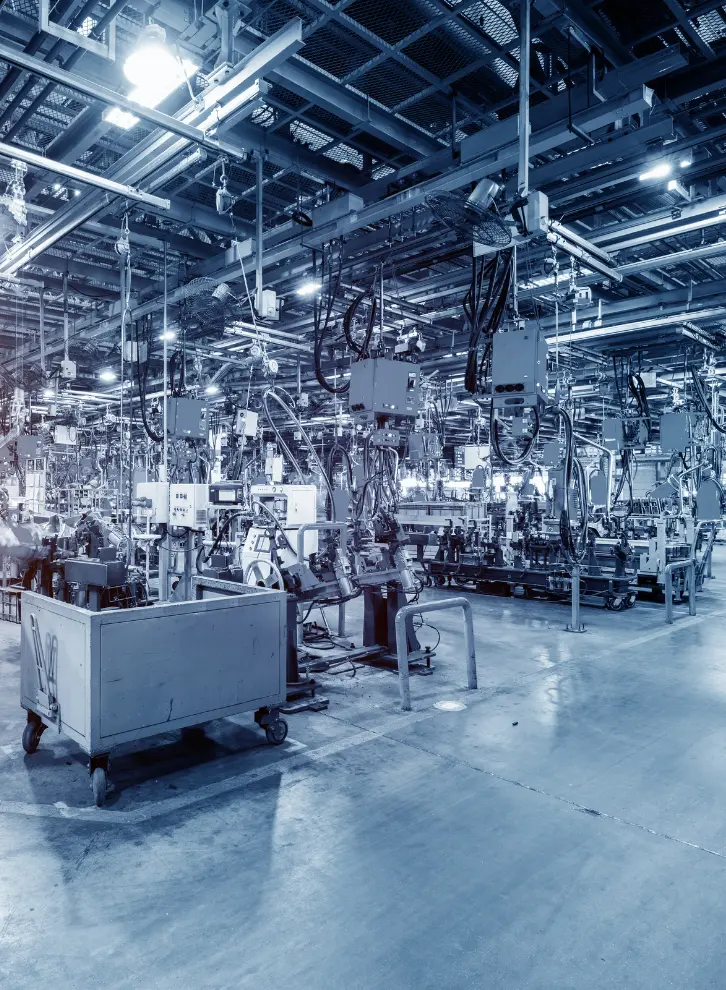
Manufacturing environments expose AI systems to noisy data, physical constraints, and real-world variability that typical testing often misses.
- Automated testing validates predictive maintenance models using real sensor noise, drift, and anomalies
- Performance testing ensures demand forecasting systems handle peak and seasonal loads reliably
- Integration testing confirms AI works seamlessly with other currently used systems
- Regression testing detects behavior changes introduced by model retraining
- Quality validation ensures automated reports remain accurate as data sources evolve
- Security testing protects industrial systems from cyber threats that could halt production

SaaS Quality at AI Development Speed
SaaS companies must deliver AI features quickly – without disrupting existing users, workflows, or platform stability.
- Automated testing validates AI features across customer configurations, data patterns, and usage scenarios
- Performance testing ensures AI capabilities scale smoothly from pilots to enterprise deployments
- A/B testing enables safe rollout of new AI models with measurable impact
- Integration testing protects existing product workflows from unexpected AI interactions
- Security testing identifies vulnerabilities in AI-generated code before release
- Continuous monitoring and regression testing catch issues as both code and models evolve

Customer-Facing Quality & Brand Protection
In retail, AI quality issues are immediately visible to customers and can damage brand reputation in seconds.
- Automated testing validates computer-vision systems across diverse store layouts and lighting condition
- Image quality and brand-compliance systems are tested to avoid false positives that disrupt operations
- Recommendation engines are verified for relevance, fairness, and safety across customer segments
- Performance testing ensures AI features stay responsive during peak shopping periods
- A/B testing confirms new AI versions improve customer experience before full rollout
- Security testing protects customer data processed by AI systems
Zero-Defect Quality Systems for Automotive
Automotive manufacturing depends on uninterrupted operations and zero tolerance for defects—especially when AI is involved in inspection and decision-making.
- Automated testing validates AI-based visual inspection systems across lighting, materials, and real factory variability
- Performance testing ensures predictive maintenance models scale across thousands of sensors without accuracy loss
- Regression testing runs automatically when AI models retrain, preventing unexpected behavior on the production line
- Security testing protects connected vehicles and factory systems from tampering and data leaks
- Compliance validation ensures AI-generated code meets ISO 26262 and ASPICE safety standards
Safety-Critical Quality for Aviation
In aviation, even minor system failures can have serious consequences – AI systems must meet the highest safety and regulatory standards.
- Comprehensive testing validates digital twin airport systems remain accurate in all operating conditions
- Automated verification ensures LLM-based operational tools deliver correct procedures without hallucinations
- GenAI document processing is tested for 100% accuracy when handling safety-critical data
- Performance testing confirms system responsiveness during peak traffic and operational stress
- Disaster-recovery testing verifies AI systems fail safely and recover predictably
Production Reliability & Operational Quality
Manufacturing environments expose AI systems to noisy data, physical constraints, and real-world variability that typical testing often misses.
- Automated testing validates predictive maintenance models using real sensor noise, drift, and anomalies
- Performance testing ensures demand forecasting systems handle peak and seasonal loads reliably
- Integration testing confirms AI works seamlessly with other currently used systems
- Regression testing detects behavior changes introduced by model retraining
- Quality validation ensures automated reports remain accurate as data sources evolve
- Security testing protects industrial systems from cyber threats that could halt production
SaaS Quality at AI Development Speed
SaaS companies must deliver AI features quickly – without disrupting existing users, workflows, or platform stability.
- Automated testing validates AI features across customer configurations, data patterns, and usage scenarios
- Performance testing ensures AI capabilities scale smoothly from pilots to enterprise deployments
- A/B testing enables safe rollout of new AI models with measurable impact
- Integration testing protects existing product workflows from unexpected AI interactions
- Security testing identifies vulnerabilities in AI-generated code before release
- Continuous monitoring and regression testing catch issues as both code and models evolve
Customer-Facing Quality & Brand Protection
In retail, AI quality issues are immediately visible to customers and can damage brand reputation in seconds.
- Automated testing validates computer-vision systems across diverse store layouts and lighting condition
- Image quality and brand-compliance systems are tested to avoid false positives that disrupt operations
- Recommendation engines are verified for relevance, fairness, and safety across customer segments
- Performance testing ensures AI features stay responsive during peak shopping periods
- A/B testing confirms new AI versions improve customer experience before full rollout
- Security testing protects customer data processed by AI systems
Business Outcomes from AI Quality Validation

Faster Validation Without Compromising Quality
Quality validation keeps pace with AI development through automated verification. Instead of slowing delivery, testing runs continuously, validating every change early and enabling teams to approve releases faster with confidence.

Detect AI-Specific Risks Early
AI-aware quality checks catch hallucinated code, unsafe patterns, broken logic, and architectural violations before release – reducing defects and security issues in production.

Sustained Trust Through Continuous Validation
Continuous regression testing, data quality monitoring, and controlled rollouts ensure AI systems remain reliable as models retrain and inputs change.
What our clients say
Addepto delivered a platform with AI models that resulted in time savings. The team addressed the client's core problem and went above and beyond to understand the client's tech stack. Their technological expertise and state-of-the-art technologies complemented their business-oriented approach.
Michelle Medeiros Sr Director of Data & ML – Western Governors University
Their approach from the start allowed us to improve the product taking into account all our requirements. The obtained result fully satisfied our company.
Matthew Muldoon CPO – KeyedIn Solutions
Quality Validation FAQ for AI-Generated Code
How is validating AI-generated code different from human-written code?
AI-generated code can look correct while hiding serious issues. It may reference APIs that don’t exist, introduce subtle security risks, break architectural rules, or pass basic tests but fail real business scenarios.
Traditional testing assumes a human understood the system context. AI doesn’t. That’s why we validate AI outputs differently – using automated checks for hallucinations, scope validation to confirm the code actually solves the problem, architectural rules to keep systems consistent, and AI-assisted tests that cover edge cases humans often miss.
Do you validate AI models as well as AI-generated code?
Yes. Code validation ensures integrations, security, and performance are solid. Model validation ensures predictions are accurate, fair, stable, and safe to use in production.
We validate models by checking accuracy across real data, testing robustness on edge cases, monitoring data quality, and safely comparing new model versions before rollout. This way, both the software and the intelligence inside it meet quality standards.
What happens when models retrain and behavior changes?
This is one of the biggest risks in AI systems. A model retrains, and suddenly something that worked yesterday behaves differently today.
We handle this with automated regression validation triggered by model changes. Every retrain is tested, compared to the previous version, and blocked from release if quality drops. This prevents silent failures and protects critical use cases users depend on.
How long does it take to put proper quality validation in place?
It depends on where you’re starting, but value shows up quickly.
We usually begin with a focused quality assessment, then build automated validation step by step – starting with the highest-risk areas.
You don’t have to wait for “everything” to be finished.
Validation improves incrementally, and teams typically see better feedback, fewer surprises, and faster approvals early in the process.